Automation and smart control systems are revolutionizing how we interact with technology, whether in industrial settings or personal DIY projects. At the heart of many automation solutions lies the IO controller, a versatile device that manages input and output signals to control various electronic components. This article explores the role of IO controllers in modern automation, with a focus on their integration with specialized devices like the PoRelay8, their application in Raspberry Pi relay control, and even their use in niche hobbies such as building a DIY orchidarium.
Each of these topics highlights the flexibility and power of IO controllers, demonstrating how they serve as the backbone for both professional and hobbyist projects. Whether you’re an engineer designing complex automation systems or a plant enthusiast creating the perfect environment for orchids, understanding these technologies can open up new possibilities.
Understanding the IO Controller – The Brain of Automation Systems
What Is an IO Controller?
An IO controller is a hardware device that manages communication between sensors (inputs) and actuators (outputs) in an automated system. It acts as an intermediary, receiving signals from sensors (such as temperature probes, motion detectors, or light sensors) and sending commands to output devices (like motors, relays, or LED lights).
The IO controller ensures that data is processed efficiently, enabling real-time responses in complex systems. For example, in a factory automation setup, an IO controller might read signals from a proximity sensor and immediately trigger a robotic arm to stop moving, preventing accidents.
Key Functions of an IO Controller
Signal Processing – The IO controller interprets analog and digital signals, converting them into actionable commands.
Multi-Channel Control – Many IO controllers support multiple input and output channels, allowing them to manage several devices simultaneously.
Network Connectivity – Modern IO controllers often feature Ethernet, Wi-Fi, or Bluetooth, enabling remote monitoring and control.
Integration with Microcontrollers – They work seamlessly with devices like the Raspberry Pi, Arduino, or industrial PLCs (Programmable Logic Controllers).
Applications of IO Controllers
- Industrial Automation – Assembly lines, robotic systems, and CNC machines rely on IO controllers for precise operation.
- Smart Homes – Lighting, HVAC systems, and security devices can be automated using an IO controller.
- DIY Electronics – Hobbyists use IO controllers in projects like automated greenhouses (such as a DIY orchidarium) or custom relay-based systems.
Why the IO Controller Is Indispensable
Without an IO controller, automation systems would require complex wiring and manual intervention. The IO controller simplifies the process by acting as a centralized hub, reducing hardware complexity and improving reliability.
For instance, in a Raspberry Pi relay control setup, the IO controller can handle the switching of high-power devices while the Raspberry Pi focuses on data processing. Similarly, in a PoRelay8-based system, the IO controller ensures synchronized relay operations, preventing electrical conflicts.
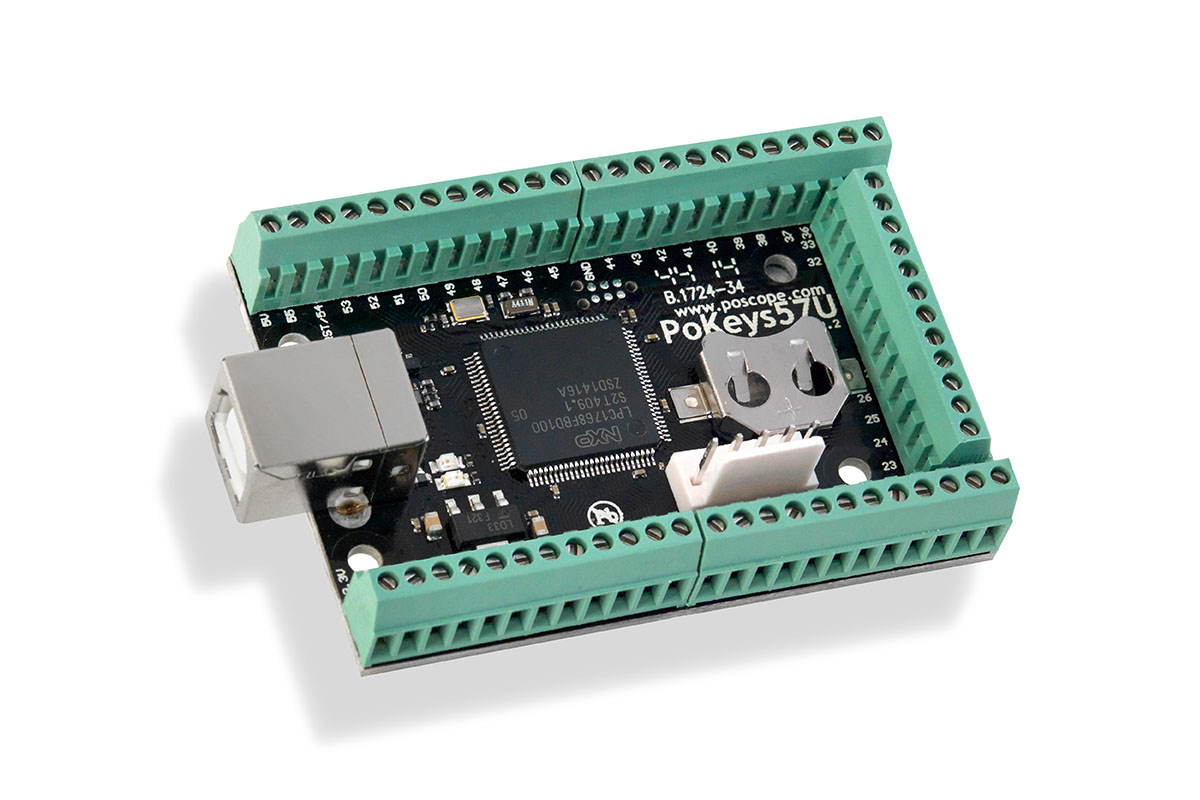
The IO controller is the unsung hero of automation, bridging the gap between digital commands and physical actions. Its versatility makes it essential in everything from large-scale industrial machines to small DIY orchidarium projects. In the next chapter, we’ll explore how the PoRelay8 enhances relay-based automation with the help of an IO controller.
The PoRelay8 – A High-Performance Relay Module for Smart Automation
In the world of relay-based automation, the PoRelay8 stands out as a powerful and flexible solution. This 8-channel relay module is designed to work seamlessly with IO controllers, microcontrollers like the Raspberry Pi, and industrial PLCs, making it an ideal choice for both professionals and DIY enthusiasts.
The PoRelay8 allows users to control high-voltage devices (such as lights, motors, and heaters) safely through low-voltage signals. Its ability to handle multiple relays simultaneously makes it perfect for complex automation tasks—whether in industrial settings, smart homes, or specialized projects like a DIY orchidarium.
Key Features of the PoRelay8
Eight Isolated Relay Channels
The PoRelay8 provides eight independent relay channels, each capable of switching AC/DC loads. This means you can control up to eight different devices (e.g., grow lights, fans, pumps) with a single module.
Power over Ethernet (PoE) Support
One of the most innovative features of the PoRelay8 is its PoE capability, which allows both power and data transmission over a single Ethernet cable. This eliminates the need for separate power supplies, reducing wiring complexity—especially useful in Raspberry Pi relay control setups.
Compatibility with IO Controllers & Microcontrollers
The PoRelay8 can be controlled via:
- Digital I/O signals (from an IO controller or PLC)
- Serial communication (RS485, Modbus RTU)
- Network commands (via Ethernet or Wi-Fi when connected to a Raspberry Pi)
This flexibility ensures seamless integration into existing automation systems.
LED Status Indicators & Protection Circuits
Each relay channel has an LED indicator for real-time status monitoring. Additionally, the PoRelay8 includes:
- Optocoupler isolation (prevents voltage spikes from damaging control circuits)
- Surge protection (safeguards against electrical noise)
Practical Applications of the PoRelay8
Industrial Automation
In manufacturing plants, the PoRelay8 can control conveyor belts, solenoid valves, and safety interlocks when paired with an IO controller. Its rugged design ensures reliability in harsh environments.
Smart Home & IoT Projects
- Automate lighting, blinds, and HVAC systems.
- Create a Raspberry Pi relay control system for voice-activated home automation (e.g., using Alexa or Home Assistant).
DIY Orchidarium & Greenhouse Automation
For orchid growers, maintaining precise humidity, temperature, and lighting is crucial. The PoRelay8 can manage:
- Misting systems (via water pump relays)
- LED grow lights (on a timed schedule)
- Exhaust fans (triggered by humidity sensors)
By integrating an IO controller, the PoRelay8 can respond dynamically to sensor data, ensuring optimal growing conditions.
Why Choose the PoRelay8 Over Basic Relay Modules?
| Feature | Standard Relay Module | PoRelay8 |
|---|---|---|
| Number of Relays | Typically 1-4 channels | 8 isolated channels |
| Power Supply | Requires external PSU | PoE support (single-cable solution) |
| Communication | Basic GPIO control | Modbus, Ethernet, serial options |
| Protection | Minimal safety features | Optocouplers, surge protection |
The PoRelay8’s advanced features make it superior for professional-grade automation while remaining accessible for hobbyists.
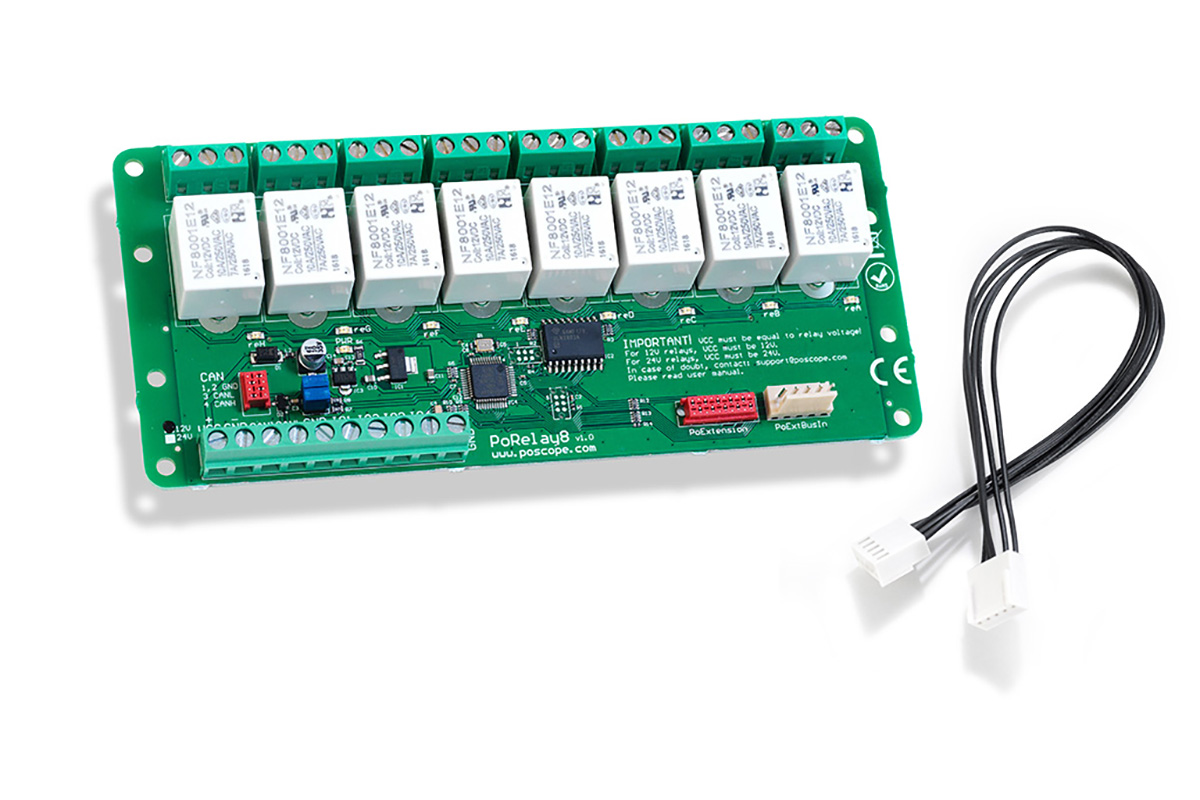
The PoRelay8 is a game-changer in relay-based automation, combining high channel count, PoE convenience, and robust safety features. Whether used with an IO controller in industrial settings or a Raspberry Pi in a DIY orchidarium, it delivers precision and reliability.
In the next chapter, we’ll explore Raspberry Pi relay control—how this affordable microcomputer can become the brain of your automation projects when paired with relays like the PoRelay8.
Raspberry Pi Relay Control – Bringing Automation Within Reach
The Raspberry Pi has emerged as a transformative force in automation, offering an accessible yet powerful platform for controlling electrical devices through relays. This miniature computer bridges the gap between simple microcontroller projects and complex industrial systems, making sophisticated automation available to hobbyists and professionals alike. When configured for relay control, the Raspberry Pi becomes capable of managing everything from household appliances to specialized horticultural environments like orchidariums.
At the heart of the Raspberry Pi’s relay control capabilities are its GPIO (General Purpose Input/Output) pins. These versatile connections allow the tiny computer to communicate with external devices, sending signals to activate relays while simultaneously monitoring sensors. Unlike basic microcontrollers, the Raspberry Pi runs a full operating system, which opens up possibilities for advanced scheduling, remote access, and integration with home automation platforms. This combination of hardware interfaces and software flexibility makes it particularly well-suited for projects that require both precise control and intelligent decision-making.
The practical implementation of Raspberry Pi relay control can take several forms. In simpler setups, users might connect relay modules directly to the Pi’s GPIO pins, though this approach requires careful attention to electrical isolation to protect the sensitive computer. More advanced configurations often pair the Raspberry Pi with dedicated IO controllers, creating systems where the Pi handles the logic and scheduling while specialized hardware manages the actual switching of electrical loads. This division of labor allows for safer operation and greater scalability, especially when controlling multiple high-power devices.
One of the most compelling aspects of Raspberry Pi relay control is its network connectivity. With built-in Ethernet and Wi-Fi capabilities, projects can be monitored and adjusted remotely through web interfaces or smartphone apps. This feature proves particularly valuable in applications like environmental control systems, where real-time adjustments might be necessary based on changing conditions. The ability to receive alerts and make modifications from anywhere adds a layer of convenience and responsiveness that elevates basic automation into true smart systems.
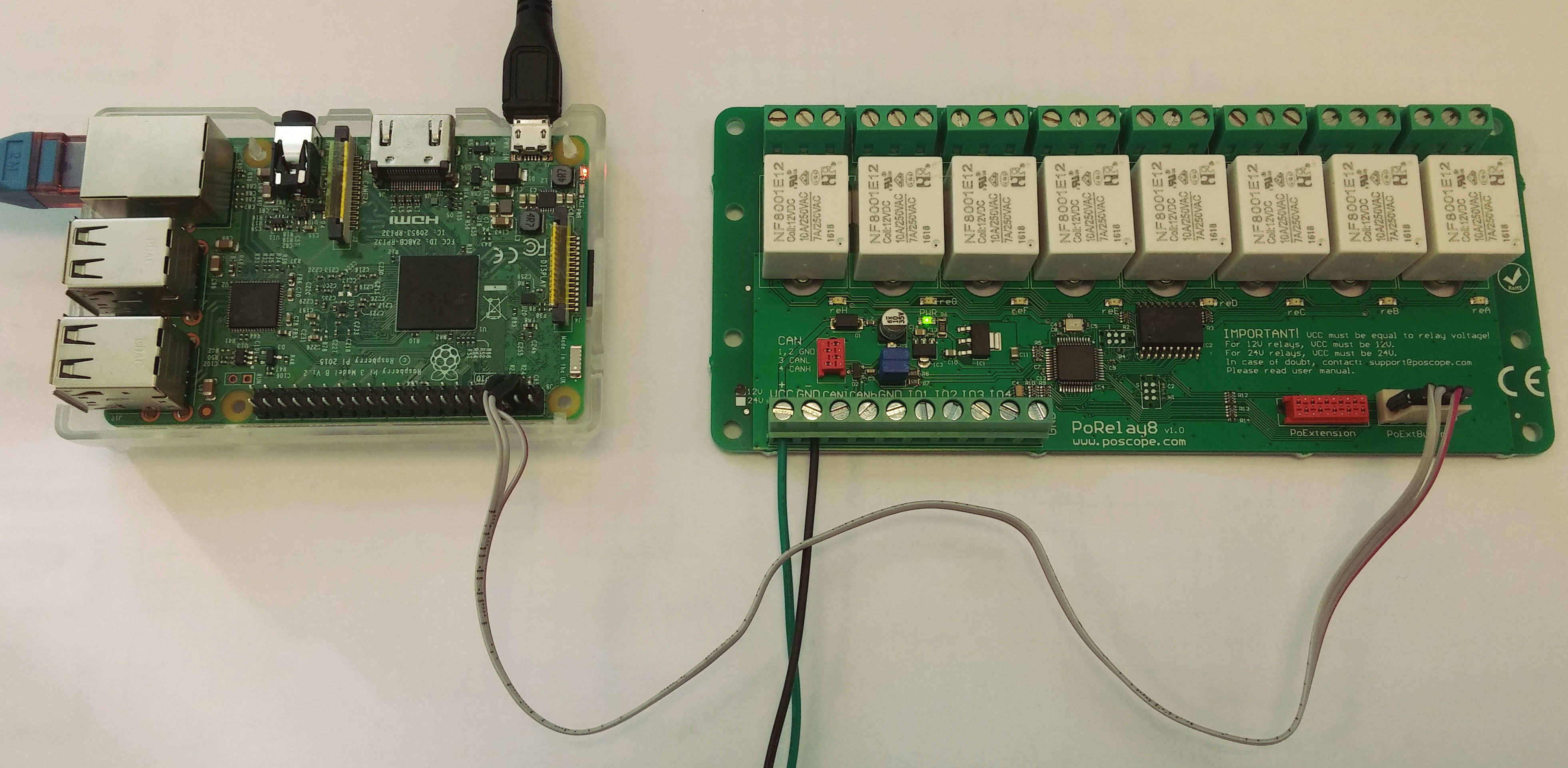
Safety remains a paramount consideration when working with Raspberry Pi relay control. The inherent risks of combining low-voltage computing equipment with high-power electrical devices demand careful planning. Proper isolation techniques, separate power supplies, and physical protections all play crucial roles in creating reliable systems that won’t damage equipment or create hazardous situations. These precautions become even more critical in moisture-prone environments like plant-growing setups, where electrical safety intersects with biological needs.
From smart home applications to specialized horticultural projects, Raspberry Pi relay control demonstrates how accessible technology can enable sophisticated automation. Its ability to integrate with other components like IO controllers and relay modules creates systems that are greater than the sum of their parts. As we’ll explore in the final chapter, this versatility shines particularly bright when applied to niche applications like orchid cultivation, where precise environmental control makes all the difference. The Raspberry Pi’s role in such systems highlights how democratized technology is transforming what’s possible in both hobbyist and professional spheres.
A Deep Dive into PoKeys57E, RC Simulator Interfaces and DAQ Devices
Optimizing CNC Plasma Cutting: Understanding Torch Height Control and Key Components
Crafting a DIY Orchidarium with Smart Automation
Orchids demand precise environmental conditions to thrive – a delicate balance of humidity, temperature, light, and air circulation that mimics their natural tropical habitats. The DIY orchidarium represents the perfect marriage of horticultural passion and technological innovation, where automated systems take the guesswork out of maintaining these exquisite plants. By integrating an IO controller, PoRelay8 module, and Raspberry Pi, enthusiasts can create a self-regulating ecosystem that caters to their orchids’ every need.
Designing the Automated Orchidarium
The foundation of any successful orchidarium lies in its environmental control systems. Traditional setups rely on manual misting, improvised lighting solutions, and constant monitoring – a time-consuming process prone to human error. The modern approach replaces this uncertainty with reliable automation. At the system’s core, an IO controller serves as the nervous system, processing data from various sensors while coordinating the response of connected devices. This centralized control allows for real-time adjustments that would be impossible to maintain manually.
Lighting forms one of the most critical components in orchid care. Different orchid species require specific light intensities and durations, often needing gradual transitions that simulate natural dawn and dusk cycles. Automated grow lights connected through a PoRelay8 module can follow precisely timed schedules or respond dynamically to ambient light conditions. The system can dim or intensify illumination based on the time of year, creating seasonal variations that encourage proper growth cycles and blooming.
Precision Climate Control
Humidity management presents one of the greatest challenges in orchid cultivation. These plants typically require 50-70% relative humidity – levels that would feel uncomfortable in most living spaces and could damage home interiors. An automated orchidarium solves this through misting systems and evaporative coolers controlled by the Raspberry Pi, which activates these devices based on readings from digital hygrometers. The system can maintain different humidity zones within the enclosure, accommodating various orchid species with differing requirements.
Temperature regulation works in concert with humidity control. Many orchids need distinct day-night temperature differentials to trigger blooming. The automation system can manage heating mats, cooling fans, and even small Peltier devices to create these thermal variations. By analyzing historical data, the Raspberry Pi can gradually adjust these parameters to simulate seasonal changes, coaxing even the most stubborn orchids into their spectacular flowering displays.
Watering and Nutrient Delivery
Traditional orchid watering walks a fine line between drought stress and root rot. The automated system revolutionizes this through precise, data-driven irrigation. Soil moisture sensors and weight measurements determine exactly when and how much to water, while the PoRelay8 controls solenoid valves for pinpoint delivery. The system can even alternate between different watering methods – misting for air roots, drip irrigation for potted specimens, and soaking for mounted plants – all within the same enclosure.
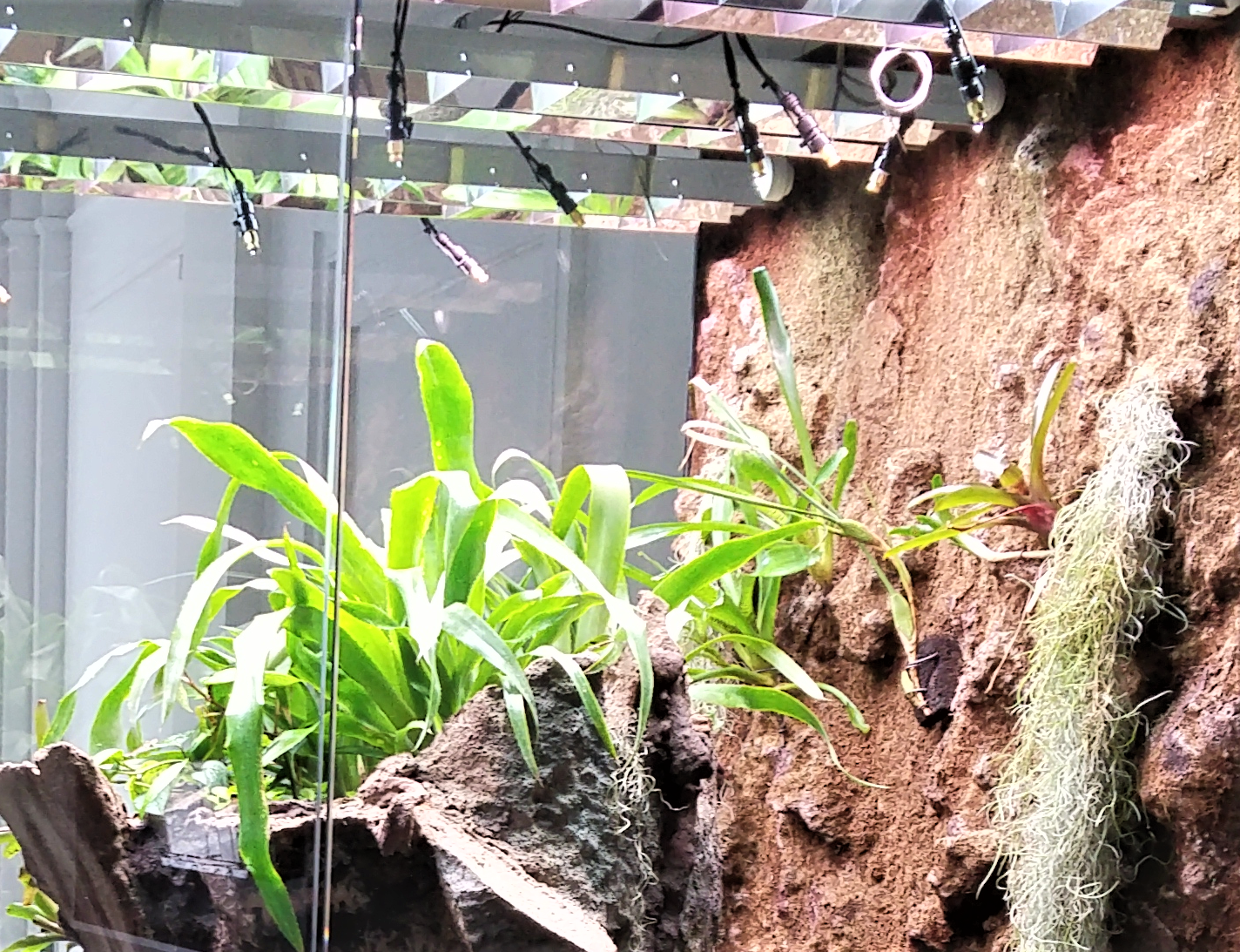
Nutrient delivery becomes equally precise. A dosing pump system controlled by the IO controller can administer customized fertilizer cocktails based on growth stage, season, and individual plant needs. The automation tracks cumulative nutrient inputs, preventing the salt buildup that plagues manual feeding routines. This level of precision supports vigorous growth while avoiding the chemical burns that often occur with hand-mixed solutions.
Monitoring and Adaptive Learning
The true power of the automated orchidarium lies in its ability to learn and adapt. Over time, the system compiles extensive environmental data correlated with plant responses. Machine learning algorithms can detect subtle patterns – perhaps discovering that a particular hybrid performs best with slightly cooler nights than recommended, or that blooming coincides with specific humidity fluctuations. These insights allow for continuous refinement of the growing parameters, creating an environment that improves with each growing season.
Remote monitoring capabilities transform orchid care from a daily chore into an engaging science. Growers can check conditions and receive alerts from anywhere, while time-lapse photography documents growth progress. The system can even predict maintenance needs, alerting when water reservoirs need refilling or when it’s time to clean misting nozzles. This comprehensive approach removes the stress from orchid cultivation, letting enthusiasts focus on the joy of watching their plants thrive.
The Future of Smart Horticulture
The DIY orchidarium represents more than just a niche project – it showcases how accessible automation technology is revolutionizing plant cultivation. The same principles apply to terrariums, vivariums, and small-scale greenhouse operations. As sensor technology becomes more sophisticated and machine learning more accessible, these systems will continue to evolve, making precise environmental control available to all levels of plant enthusiasts. The marriage of technology and nature in these automated gardens points toward a future where anyone can cultivate even the most demanding plants successfully, regardless of their climate or schedule constraints.
Precision Meets Portability: How IEPE Conditioners and USB Scopes Enhance Testing
The Triad of Precision: How PlasmaSens, THC Cutters, and Mach3 Revolutionize Plasma Cutting
Smart, Connected, and Precise: The Role of the PoStep60-256 in Modern Motion Control Systems
The Transformative Power of Automation in Modern Cultivation
The journey through these chapters reveals how automation technology has fundamentally transformed our ability to create and maintain precise growing environments. From the foundational role of the IO controller to the versatile PoRelay8, and from the accessible power of Raspberry Pi relay control to the specialized application in a DIY orchidarium, we’ve seen how these components work in harmony to bridge the gap between industrial-grade automation and personal projects.
What began as industrial control systems have now become accessible tools for enthusiasts and small-scale growers. The IO controller serves as the central nervous system of these automated environments, processing countless data points and coordinating responses with machine-like precision. When paired with the switching capabilities of the PoRelay8, it creates a robust framework capable of managing everything from simple lighting schedules to complex environmental algorithms. The Raspberry Pi brings this automation within reach of hobbyists, offering programmable intelligence in an affordable, compact package.
The DIY orchidarium exemplifies the perfect application of these technologies. Orchids, with their exacting requirements, benefit tremendously from systems that can maintain humidity within a 5% margin, adjust lighting spectrums throughout the day, and deliver nutrients with pharmaceutical precision. This isn’t merely about convenience—it’s about achieving results that were previously only possible for professional growers with expensive, commercial-grade equipment.
Beyond horticulture, the implications are profound. The same principles powering these automated gardens are being adapted for home brewing, aquarium ecosystems, mushroom cultivation, and even small-scale agricultural projects. As sensor technology becomes more affordable and machine learning more accessible, we’re entering an era where personalized, precision growing environments will become commonplace in homes and classrooms.
Perhaps most exciting is how these technologies are democratizing expertise. What once required years of experience and constant attention can now be augmented by systems that learn and adapt. The automation doesn’t replace the gardener’s intuition—it enhances it, providing data-driven insights while handling the repetitive tasks. This fusion of technology and nature points toward a future where anyone can successfully cultivate even the most demanding species, regardless of their climate or schedule constraints.
As we’ve seen throughout these chapters, modern automation is no longer confined to factories and industrial settings. Through creative applications like the DIY orchidarium, these technologies are bringing new possibilities into our homes and hobbies. They represent not just technical solutions, but a new way of interacting with and understanding the natural world—one where technology serves to deepen our connection with nature rather than separate us from it. The future of cultivation is here, and it’s more precise, more accessible, and more rewarding than ever before.