In the world of electronic test and measurement, precision, flexibility, and ease of use are critical. Engineers and technicians rely on specialized equipment to capture, analyze, and interpret signals accurately. Three key components play a significant role in modern signal acquisition and analysis: IEPE signal conditioners, USB mixed-signal oscilloscopes, and USB oscilloscopes.
An IEPE signal conditioner is essential for interfacing with sensors like accelerometers and microphones, providing power and signal conditioning in one compact unit. Meanwhile, a USB mixed-signal oscilloscope combines analog and digital signal analysis, making it ideal for embedded systems debugging. Finally, a USB oscilloscope offers portability and computer-based signal processing, making it a favorite among field engineers.
This article explores these three technologies in depth, explaining their functions, benefits, and applications.
IEPE Signal Conditioner – The Bridge Between Sensors and Measurement Systems
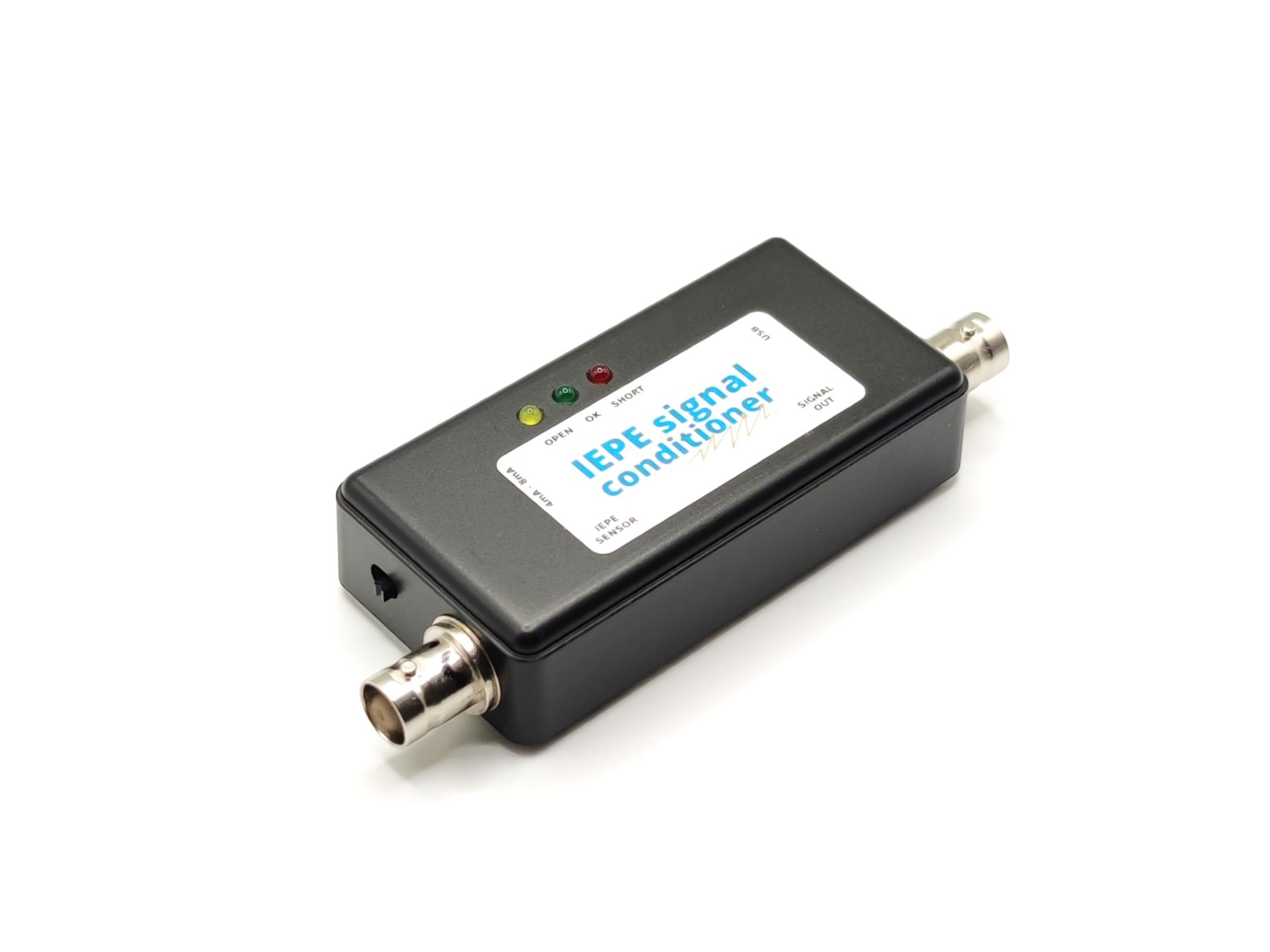
An IEPE signal conditioner (Integrated Electronics Piezo-Electric) is a critical component in modern test and measurement setups, particularly when working with piezoelectric sensors, accelerometers, and microphones. The primary role of an IEPE signal conditioner is to provide both power and signal conditioning in a single, efficient unit, ensuring accurate and noise-free data acquisition.
How an IEPE Signal Conditioner Works
The IEPE signal conditioner operates by supplying a constant current (typically 2–20 mA) to the sensor while simultaneously extracting the AC signal generated by the sensor’s response to physical stimuli (such as vibration or sound). This two-wire interface simplifies cabling, as the same wires carry both power and signal. The conditioner then amplifies, filters, and converts the high-impedance output from the sensor into a low-impedance voltage signal that can be easily read by data acquisition systems or oscilloscopes.
Key Benefits of Using an IEPE Signal Conditioner
Simplified Wiring – Since the IEPE signal conditioner powers the sensor and retrieves the signal through the same cable, it reduces setup complexity compared to systems requiring separate power and signal lines.
Noise Immunity – The constant current excitation minimizes noise interference, making it ideal for industrial environments where electromagnetic interference (EMI) is a concern.
Wide Compatibility – Most modern dynamic sensors (accelerometers, pressure sensors, etc.) support the IEPE signal conditioner standard, ensuring broad applicability.
Applications of IEPE Signal Conditioners
- Vibration Analysis – Used in machinery health monitoring to detect bearing wear or imbalance.
- Acoustic Testing – Essential for microphone signal conditioning in sound measurement applications.
- Structural Health Monitoring – Helps in detecting stress and strain in bridges, aircraft, and other critical infrastructure.
Without an IEPE signal conditioner, many high-precision sensor measurements would be impractical due to signal degradation and power supply challenges. This makes it a cornerstone of modern dynamic signal acquisition systems.
USB Mixed-Signal Oscilloscope – The Versatile Tool for Analog and Digital Analysis
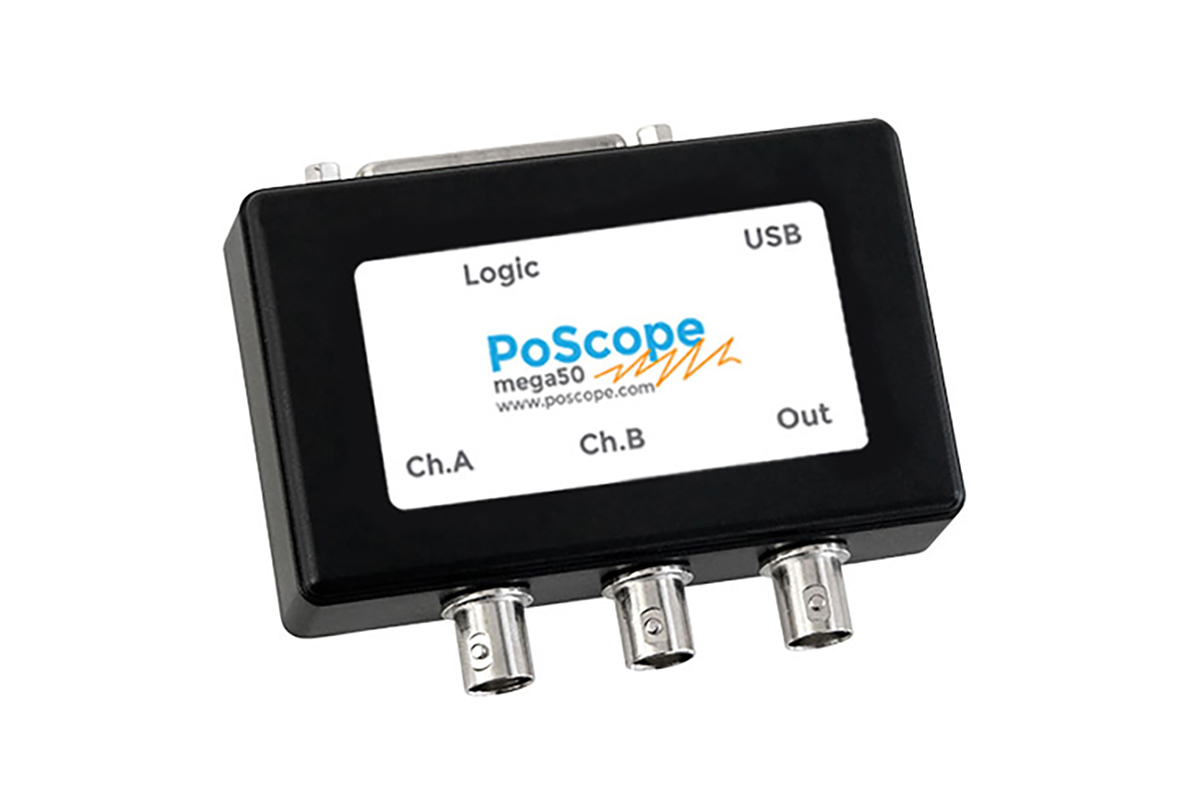
A USB mixed-signal oscilloscope (MSO) is an advanced test instrument that combines the functionality of a traditional oscilloscope with digital logic analysis capabilities. Unlike standard oscilloscopes that only measure analog signals, a USB mixed-signal oscilloscope integrates both analog and digital channels, making it indispensable for embedded systems development, power electronics, and communication debugging.
How a USB Mixed-Signal Oscilloscope Works
The USB mixed-signal oscilloscope typically features multiple analog input channels (for voltage waveforms) alongside digital input lines (for logic signals). These devices connect to a computer via USB, leveraging the host system’s processing power for data analysis, storage, and visualization.
Key features include:
- Analog Channels – Capture continuous voltage signals with adjustable sampling rates and bandwidths.
- Digital Channels – Monitor multiple digital lines (e.g., SPI, I2C, UART) simultaneously, enabling protocol decoding.
- Time-Correlated Analysis – Synchronize analog and digital signals to debug timing-related issues efficiently.
Advantages of a USB Mixed-Signal Oscilloscope
Compact and Portable – Unlike benchtop oscilloscopes, a USB mixed signal oscilloscope is lightweight and powered via USB, making it ideal for fieldwork.
Cost-Effective – Eliminates the need for separate logic analyzers and oscilloscopes, reducing equipment costs.
Advanced Software Integration – Most USB mixed-signal oscilloscopes come with powerful PC software for deep signal analysis, automated measurements, and reporting.
Common Applications
- Embedded Systems Debugging – Verify sensor inputs (analog) alongside microcontroller communications (digital).
- Power Electronics Testing – Analyze PWM signals while monitoring voltage/current waveforms.
- Protocol Validation – Decode serial buses (CAN, RS-232) while observing signal integrity.
The USB mixed-signal oscilloscope bridges the gap between analog and digital domains, offering engineers a unified tool for complex system validation.
The Triad of Precision: How PlasmaSens, THC Cutters, and Mach3 Revolutionize Plasma Cutting
PoKeys57E for Automation and Data Collection: A Versatile I/O Solution
Smart, Connected, and Precise: The Role of the PoStep60-256 in Modern Motion Control Systems
USB Oscilloscope – Portable Signal Analysis for Modern Engineers
A USB oscilloscope represents a revolutionary shift in test equipment, offering compact, computer-based signal analysis without sacrificing performance. Unlike traditional benchtop oscilloscopes, a USB oscilloscope leverages a host computer’s processing power and display, creating a highly portable yet powerful measurement solution ideal for fieldwork, education, and rapid prototyping.
How a USB Oscilloscope Works
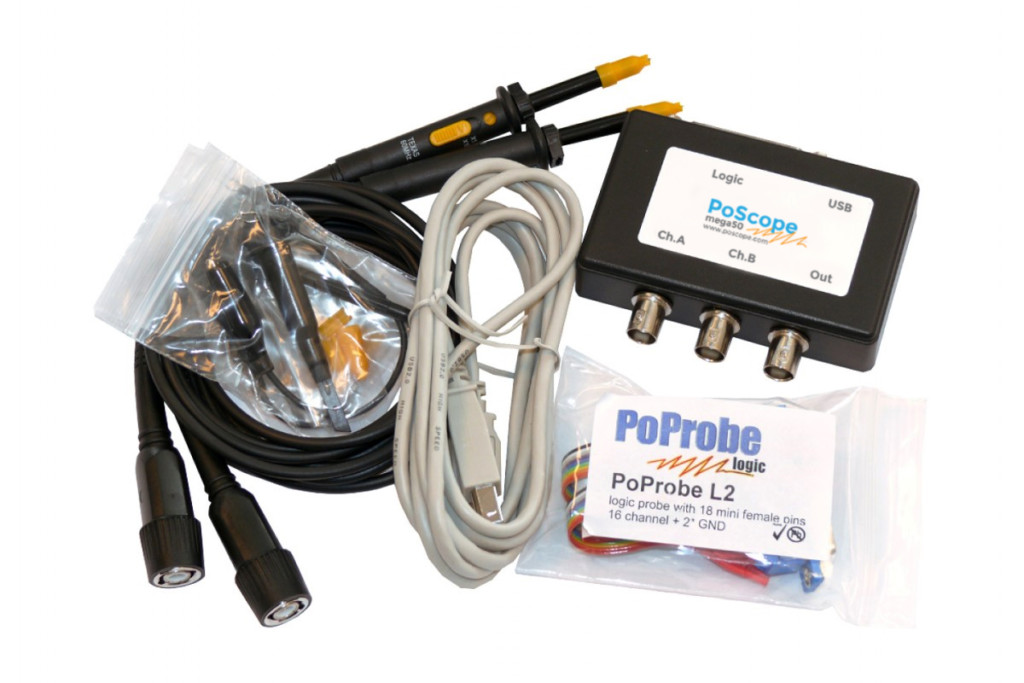
The USB oscilloscope connects directly to a computer or laptop via USB (or USB-C), functioning as an external data acquisition device. It captures analog signals through its input channels, digitizes them using high-speed ADCs, and transfers the data to specialized software for visualization and analysis. Key components include:
- Analog Front-End – Conditions input signals with adjustable voltage ranges and bandwidth filters.
- High-Speed ADC – Converts analog waveforms into digital data with precise timing.
- PC Software – Provides the user interface for triggering, measurement, and advanced analysis like FFT.
Benefits of Using a USB Oscilloscope
Portability – The compact, lightweight design makes a USB oscilloscope perfect for mobile engineers and students.
Cost Efficiency – Eliminates the need for a built-in display, reducing costs while maintaining performance.
Expandability – Software updates can add new features without hardware modifications.
Data Sharing & Storage – Easily save, export, or share waveforms directly from the PC software.
Key Applications
- Field Troubleshooting – Quickly diagnose electrical issues in industrial or automotive environments.
- Education & Training – Affordable solution for teaching electronics and signal analysis.
- R&D Prototyping – Capture and analyze signals during early-stage product development.
While benchtop oscilloscopes still dominate lab environments, the USB oscilloscope has become an essential tool for engineers who need flexibility without compromising functionality.
A Deep Dive into PoKeys57E, RC Simulator Interfaces and DAQ Devices
Integrating IEPE Signal Conditioners, USB Mixed-Signal Oscilloscopes, and USB Oscilloscopes in Modern Test Systems
The evolution of test and measurement equipment has brought powerful, flexible solutions to engineers across industries. As we’ve explored, the IEPE signal conditioner serves as a critical interface for sensor measurements, ensuring clean, reliable data acquisition from accelerometers, microphones, and dynamic pressure sensors. Meanwhile, the USB mixed-signal oscilloscope bridges analog and digital domains, providing a unified tool for embedded systems debugging and power electronics analysis. Finally, the USB oscilloscope delivers portability and cost-efficiency without sacrificing performance, making it indispensable for fieldwork and education.
Together, these technologies demonstrate how modern test equipment balances precision, versatility, and convenience. Whether you’re monitoring structural vibrations with an IEPE signal conditioner, debugging a microcontroller with a USB mixed-signal oscilloscope, or performing quick measurements in the field with a USB oscilloscope, today’s tools empower engineers to work smarter and faster.
As technology continues advancing, we can expect even tighter integration between sensors, conditioners, and analysis tools—further simplifying complex measurement tasks while improving accuracy and usability. For now, understanding these three key components ensures you’re equipped to tackle a wide range of signal acquisition and analysis challenges.