In the world of metal fabrication, precision and efficiency are paramount. Among the numerous tools and technologies available to achieve these goals, CNC plasma cutting stands out as a versatile and powerful method for cutting through various metals. However, the effectiveness of a CNC plasma cutting system depends on more than just the quality of the plasma cutter itself. Central to achieving clean, accurate cuts is the concept of torch height control, a critical yet often underappreciated component of the process.
This article will delve into the intricacies of torch height control, exploring how it impacts cut quality, extends consumable life, and optimizes overall system performance. To fully grasp its significance, we’ll also examine the fundamentals of CNC plasma cutting, the role of the CNC Plasma Z-axis and floating head, and the innovative PlasmaSens technology. By the end, you’ll have a comprehensive understanding of why torch height control is a cornerstone of modern CNC plasma cutting systems and how these related technologies contribute to its success.
The Crucial Role of Torch Height Control in CNC Plasma Cutting
When it comes to CNC plasma cutting, torch height control is a game-changer that directly influences the quality, efficiency, and consistency of the cutting process. This system, often abbreviated as THC, is responsible for maintaining the optimal distance between the plasma torch and the metal workpiece throughout the cutting operation. Even minor deviations from the ideal torch height can lead to significant issues, such as poor cut quality, increased wear on consumables, and potential damage to the machine itself.
How Torch Height Control Works
Torch height control systems use sensors to monitor and adjust the distance between the torch and the workpiece in real-time. As the plasma arc is sensitive to variations in height, the THC ensures that the arc remains steady by dynamically compensating for any irregularities, such as warped metal or uneven surfaces. This precision ensures consistent cuts, reducing the need for rework and improving overall productivity.
Why Maintaining Torch Height is Vital
Several critical factors underscore the importance of torch height control:
- Cut Quality: A precise torch height ensures clean edges with minimal dross (the unwanted molten metal that clings to the cut edge).
- Consumable Life: Maintaining the correct height minimizes wear and tear on consumable parts, such as nozzles and electrodes, saving both time and money.
- Energy Efficiency: An optimized arc requires less power, reducing operational costs and the environmental impact of the cutting process.
Common Challenges Without Proper THC
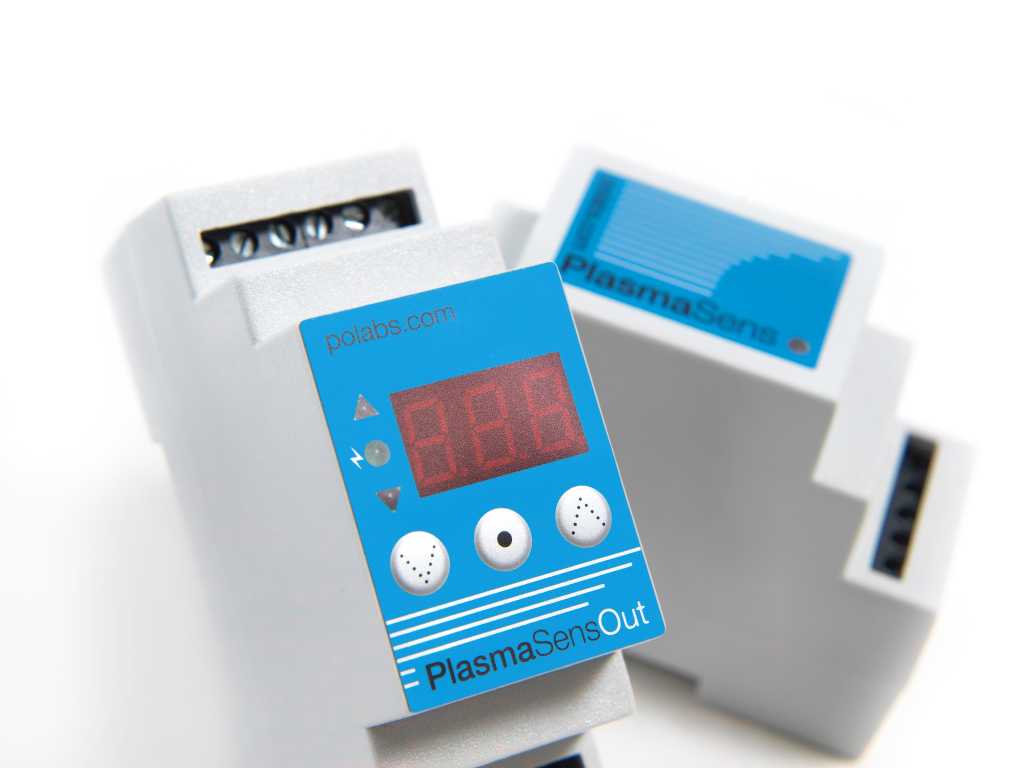
Without effective torch height control, issues like inconsistent cuts, excessive dross, and poor arc stability are likely to arise. For instance, cutting through warped metal sheets can be particularly problematic without THC, as the distance between the torch and the material constantly changes. This variation often leads to uneven cuts and potential damage to the workpiece.
Integration with Modern Systems
Modern CNC plasma cutting systems rely heavily on advanced THC to maintain precision across various projects. By automating this aspect of the process, manufacturers can ensure repeatable accuracy, even in high-volume production environments.
In summary, torch height control is not just a supplementary feature but a fundamental necessity for achieving the best results in CNC plasma cutting. Its ability to deliver superior cut quality, prolong consumable life, and enhance operational efficiency makes it an indispensable tool for any metal fabrication setup. As we explore other components of CNC plasma cutting, the role of THC remains central to understanding how these technologies interact and optimize the cutting process.
What is CNC Plasma Cutting?
To fully appreciate the importance of torch height control, it’s essential to first understand the broader process it supports: CNC plasma cutting. This cutting-edge technology has revolutionized metal fabrication, offering unparalleled precision, speed, and versatility. Whether for industrial manufacturing, automotive applications, or custom metalwork, CNC plasma cutting plays a pivotal role in shaping the modern world.
The Basics of CNC Plasma Cutting
CNC plasma cutting combines two key elements: a plasma cutting system and computer numerical control (CNC) technology. Plasma cutting uses an ionized, superheated gas stream—plasma—to slice through conductive materials like steel, aluminum, and brass. The plasma arc, generated between the torch and the workpiece, reaches temperatures of up to 30,000°F, melting the metal almost instantly.
CNC technology provides the automation and precision necessary to guide the plasma torch along predetermined cutting paths. By programming the CNC system with exact dimensions and designs, fabricators can achieve intricate cuts with remarkable accuracy and repeatability.
Advantages of CNC Plasma Cutting
Precision and Versatility: CNC plasma cutting excels in delivering precise cuts, whether for simple shapes or complex patterns. It is versatile enough to handle a wide range of metals and thicknesses.
Speed and Efficiency: The process is significantly faster than traditional cutting methods, such as sawing or grinding, allowing for higher throughput.
Cost-Effectiveness: With minimal waste and reduced labor requirements, CNC plasma cutting is an economical choice for large and small projects alike.
The Role of Torch Height Control in CNC Plasma Cutting
While CNC plasma cutting offers incredible potential, its success hinges on the integration of torch height control. Without THC, even the most advanced CNC system would struggle to maintain consistent performance. Variations in torch height can disrupt the plasma arc, leading to poor-quality cuts, excessive dross, or even torch damage. Torch height control ensures that the plasma arc remains stable, even when dealing with irregular or warped materials, allowing the CNC system to operate at peak efficiency.

Applications of CNC Plasma Cutting
CNC plasma cutting is widely used in industries such as:
- Construction: For creating structural components and custom metalwork.
- Manufacturing: For high-volume production of parts and assemblies.
- Art and Design: For crafting intricate metal decorations and sculptures.
A Foundation for Future Innovations
As technology evolves, CNC plasma cutting continues to benefit from innovations like advanced THC systems, integrated software, and real-time monitoring tools. These enhancements not only improve cut quality but also expand the range of applications and materials that can be handled effectively.
In conclusion, CNC plasma cutting is a powerful and versatile method for working with metal. Its effectiveness, however, depends on critical supporting technologies like torch height control, which ensure precision, consistency, and optimal performance across a wide variety of tasks.
The Role of the CNC Plasma Z-axis and Floating Head
While torch height control is vital for achieving precision in CNC plasma cutting, its effectiveness is closely tied to the performance of the CNC plasma Z-axis and floating head. These components form the mechanical foundation that allows the torch to move smoothly and maintain the correct position relative to the workpiece. Understanding how the Z-axis and floating head function reveals their indispensable role in enhancing the accuracy and adaptability of CNC plasma cutting systems.
What is the CNC Plasma Z-axis?
The CNC plasma Z-axis is a vertically oriented axis in the CNC machine’s coordinate system. It governs the up-and-down movement of the plasma torch, enabling it to adjust its position based on the requirements of the cutting operation. The Z-axis is responsible for precise vertical adjustments, which are essential for tasks like piercing, maintaining optimal torch height, and avoiding collisions with the workpiece.
How the Floating Head Enhances Performance
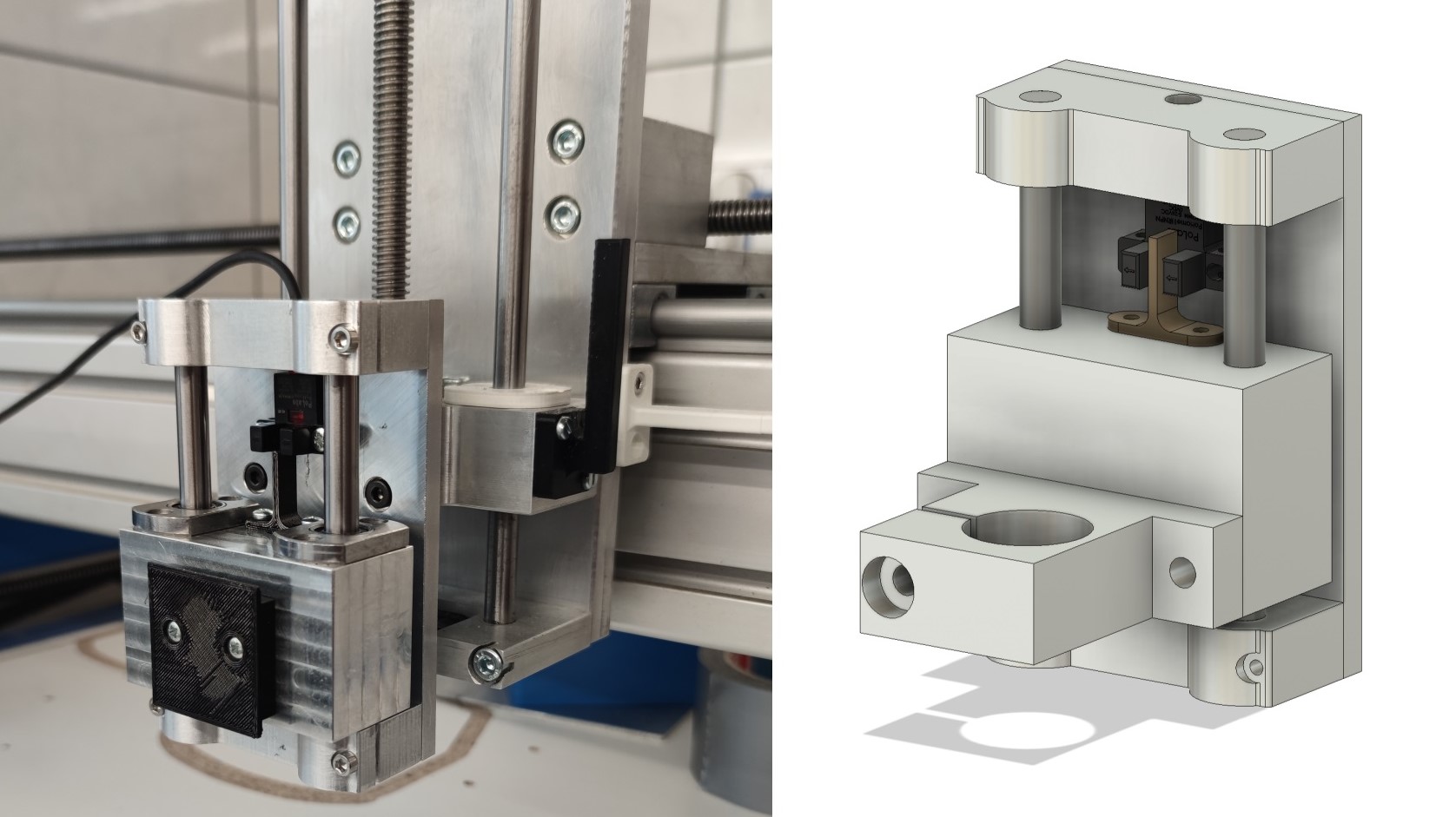
A floating head is an additional feature often integrated into CNC plasma cutting machines. It acts as a mechanical safeguard and positioning tool, enabling the torch to respond to surface irregularities without causing damage. The floating head includes a spring-loaded mechanism that allows the torch to “float” slightly, compensating for uneven material surfaces.
Benefits of the Z-axis and Floating Head
Accurate Piercing: The Z-axis ensures that the torch starts at the correct height for piercing, reducing the risk of misaligned or oversized holes.
Dynamic Adjustments: In conjunction with torch height control, the Z-axis can make micro-adjustments during cutting, ensuring a stable plasma arc and consistent results.
Surface Compensation: The floating head works alongside THC to accommodate irregular surfaces, protecting the torch from collisions and maintaining cut quality.
Increased Flexibility: These features enable CNC plasma cutting machines to handle a wide range of materials and thicknesses, from thin sheets to heavy plates.
Integration with Torch Height Control
The synergy between the Z-axis, floating head, and torch height control is critical. While the Z-axis provides the mechanical precision needed for vertical movement, the torch height control system ensures that these movements are guided by real-time feedback from sensors. The floating head further enhances this collaboration by allowing the torch to adapt to physical irregularities without disrupting the cutting process. Together, these components create a seamless and efficient workflow.
Challenges and Maintenance
Although the Z-axis and floating head are robust components, regular maintenance is essential to ensure long-term reliability. Common issues include wear on mechanical parts, misalignment, and sensor malfunctions. Keeping these components in good working order ensures that the benefits of torch height control are fully realized.
Real-World Applications
The combined functionality of the CNC plasma Z-axis and floating head is evident in industries where precision and adaptability are paramount. For instance:
- Shipbuilding: Cutting large, irregularly shaped plates of metal.
- Automotive Manufacturing: Crafting intricate parts with varying thicknesses.
- Metal Fabrication Shops: Handling a variety of projects, from custom designs to mass production.
In summary, the CNC plasma Z-axis and floating head are integral to the success of modern plasma cutting systems. By providing precise vertical movement and adapting to surface variations, these components work in harmony with torch height control to deliver high-quality results, even in challenging conditions.
Innovating Precision with PlasmaSens Technology
The evolution of CNC plasma cutting has been marked by constant innovation, and PlasmaSens represents a significant leap forward in this field. As an advanced sensing technology designed to optimize torch height control, PlasmaSens plays a pivotal role in ensuring consistent cut quality, reducing waste, and enhancing overall efficiency. By integrating cutting-edge sensors and intelligent feedback mechanisms, PlasmaSens sets a new standard for precision and reliability in CNC plasma cutting operations.
What is PlasmaSens?
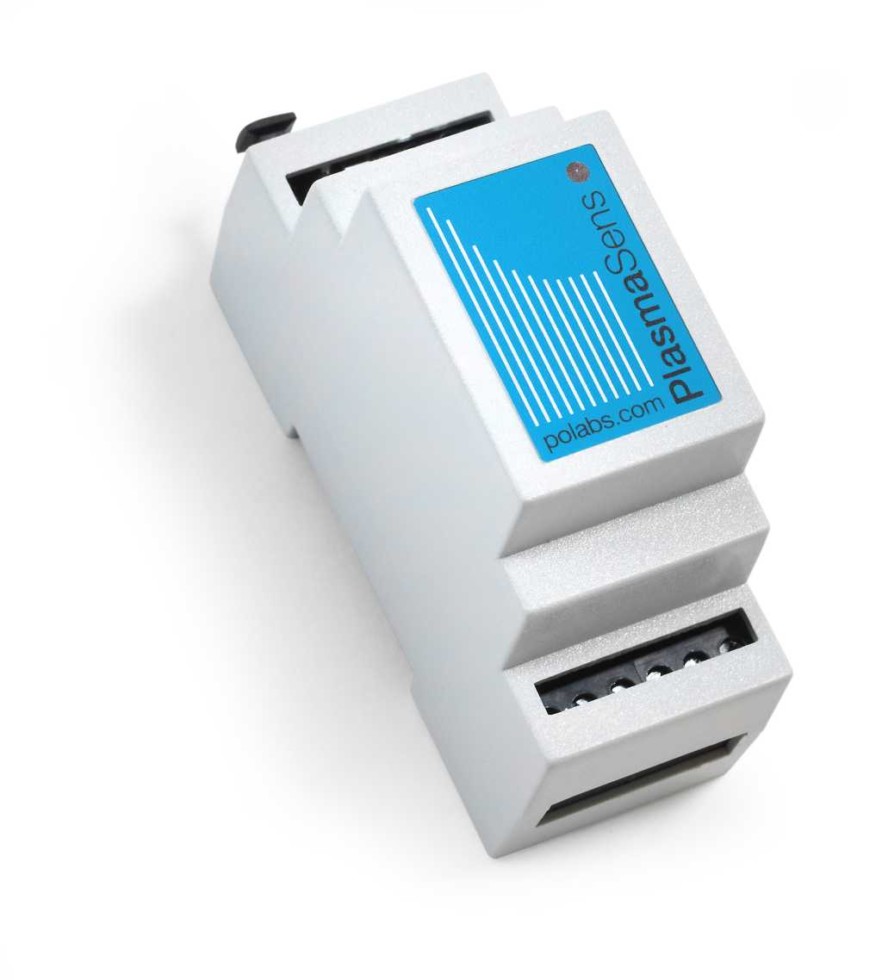
PlasmaSens is a sensor-based system that works in conjunction with torch height control to monitor and adjust the torch’s position relative to the workpiece. Utilizing advanced electronics and software, it detects real-time variations in factors such as material thickness, surface irregularities, and arc voltage. This data is then used to make instantaneous adjustments, ensuring that the plasma torch maintains the optimal height throughout the cutting process.
Key Features of PlasmaSens
High-Precision Sensing: PlasmaSens employs sensitive detectors to monitor even minute changes in the cutting environment.
Rapid Response: Its high-speed feedback mechanism allows for real-time adjustments, ensuring that the torch stays at the ideal height.
Compatibility: PlasmaSens is designed to integrate seamlessly with existing CNC plasma systems, including those equipped with Z-axis and floating head technology.
User-Friendly Interface: Many PlasmaSens systems include intuitive software that provides operators with clear visualizations of the cutting process and system diagnostics.
How PlasmaSens Enhances Torch Height Control
PlasmaSens directly enhances the capabilities of torch height control by providing more accurate and reliable data. Traditional systems often rely solely on arc voltage feedback to adjust height, which can be affected by variables like consumable wear or electrical interference. PlasmaSens complements this by incorporating additional sensing methods, such as capacitive or optical sensors, to provide a more comprehensive understanding of the cutting environment. This multi-faceted approach ensures consistent performance even in challenging conditions.
Advantages of Using PlasmaSens
Improved Cut Quality: By maintaining an optimal torch height, PlasmaSens reduces dross formation and ensures cleaner, smoother edges.
Extended Consumable Life: Accurate height adjustments prevent unnecessary wear on consumable components, saving costs and downtime.
Reduced Material Waste: Consistent cutting reduces errors, minimizing material loss and rework.
Enhanced Productivity: With fewer interruptions and higher reliability, PlasmaSens enables faster and more efficient production cycles.
Applications of PlasmaSens
PlasmaSens is particularly valuable in applications where precision and repeatability are crucial. Industries such as aerospace, automotive manufacturing, and custom fabrication have seen significant benefits from adopting PlasmaSens technology. Whether cutting thin sheets of aluminum or thick steel plates, PlasmaSens ensures that every cut meets the highest standards of quality.
Future of PlasmaSens Technology
As CNC plasma cutting continues to evolve, PlasmaSens is poised to remain at the forefront of innovation. Emerging advancements, such as AI-driven predictive maintenance and machine learning algorithms, are likely to further enhance the capabilities of PlasmaSens. These developments will enable even greater automation, reducing the reliance on operator intervention and ensuring consistently high performance across diverse cutting scenarios.
In conclusion, PlasmaSens is a transformative technology that elevates the capabilities of CNC plasma cutting systems. By delivering unparalleled precision, reliability, and efficiency, it serves as an indispensable tool for fabricators striving to achieve excellence in their work. As the industry embraces the future of smart manufacturing, PlasmaSens will undoubtedly play a central role in shaping the next generation of CNC plasma cutting technology.
Conclusion
In the fast-paced world of metal fabrication, precision, efficiency, and adaptability are non-negotiable. At the heart of these demands lies the intricate interplay of technologies that make CNC plasma cutting not just possible but highly effective. Central to this process is torch height control, a critical component that ensures consistent performance by maintaining the perfect distance between the plasma torch and the workpiece.
As we’ve explored, the success of torch height control relies on complementary innovations, such as the CNC plasma Z-axis and floating head, which provide the mechanical precision needed for vertical adjustments. These elements work seamlessly with advanced systems like PlasmaSens, which brings a new level of accuracy and reliability to the cutting process through state-of-the-art sensing technology. Together, these components form the backbone of modern CNC plasma cutting systems, enabling fabricators to achieve exceptional results across a range of applications.
From understanding the basics of CNC plasma cutting to exploring the specialized technologies that enhance its capabilities, it’s clear that innovation drives this industry forward. By investing in advanced solutions like torch height control and PlasmaSens, businesses can not only improve cut quality but also reduce costs, minimize waste, and stay competitive in a demanding market.
As the field continues to evolve, one thing remains certain: the synergy between precision hardware and intelligent control systems will remain the key to unlocking the full potential of CNC plasma cutting. Whether you’re a seasoned fabricator or new to the field, embracing these technologies is the path to achieving efficiency and excellence in every cut.