In the ever-evolving world of technology, the integration of specialized devices and systems has become a cornerstone of innovation. From hobbyist projects to industrial applications, the seamless interaction between hardware and software is crucial for achieving precision, efficiency, and functionality. This article explores four key technologies that are shaping the landscape of modern electronics and automation: the PoKeys57E, RC simulator interfaces, Raspberry Pi temperature loggers, and DAQ (Data Acquisition) devices. Each of these components plays a vital role in their respective domains, and when combined, they can create powerful, versatile systems capable of tackling complex challenges.
At the heart of this discussion is the PoKeys57E, a multifunctional device that serves as a bridge between the physical and digital worlds. Its versatility and ease of use make it an essential tool for enthusiasts and professionals alike. Surrounding this central piece are the RC simulator interface, which brings the thrill of remote-controlled vehicles into the digital realm; the Raspberry Pi temperature logger, a compact yet powerful solution for environmental monitoring; and DAQ devices, which are indispensable for capturing and analyzing data in real-time. Together, these technologies form a cohesive ecosystem that can be tailored to a wide range of applications, from home automation to industrial control systems.
In the following chapters, we will delve into each of these topics, exploring their features, applications, and how they can be integrated to create sophisticated solutions. Whether you’re a seasoned engineer or a curious hobbyist, this article aims to provide valuable insights into the capabilities and potential of these cutting-edge technologies. Let’s begin our journey with the PoKeys57E, the cornerstone of this technological ensemble.
PoKeys57E – The Versatile Interface for Modern Automation
The PoKeys57E is a multifunctional device that has become a cornerstone in the world of automation, robotics, and custom control systems. Designed to bridge the gap between physical inputs and digital outputs, the PoKeys57E is a USB-based interface that offers a wide range of functionalities, making it an indispensable tool for hobbyists, engineers, and developers alike. Its versatility lies in its ability to handle multiple tasks simultaneously, from reading inputs like buttons and sensors to controlling outputs such as LEDs, relays, and motors. This chapter explores the features, applications, and significance of the PoKeys57E in modern automation projects.
At its core, the PoKeys57E is a programmable device that supports up to 57 digital inputs and outputs, hence its name. These I/O pins can be configured to suit a variety of applications, making it a highly adaptable solution. For instance, in a home automation setup, the PoKeys57E can be used to control lighting, monitor door sensors, and manage HVAC systems. In industrial settings, it can interface with machinery, read data from sensors, and trigger alarms or actuators based on predefined conditions. The device also supports analog inputs, PWM outputs, and encoder inputs, further expanding its capabilities.
One of the standout features of the PoKeys57E is its compatibility with a wide range of software and platforms. It can be programmed using the PoKeys configuration software, which provides an intuitive interface for setting up and customizing the device. Additionally, it supports communication via USB, Ethernet, or even Wi-Fi (with additional modules), allowing for seamless integration into existing systems. For advanced users, the PoKeys57E can be controlled using custom scripts or APIs, enabling the creation of highly specialized applications.
A key area where the PoKeys57E shines is in its integration with RC simulator interfaces. By connecting the PoKeys57E to an RC simulator, users can create a highly realistic control environment for testing and training purposes. For example, the device can be used to interface with a flight simulator, where it reads inputs from joysticks, pedals, and switches, and translates them into digital signals that the simulator software can process. This setup not only enhances the realism of the simulation but also provides a cost-effective way to test and refine control systems before deploying them in real-world scenarios.
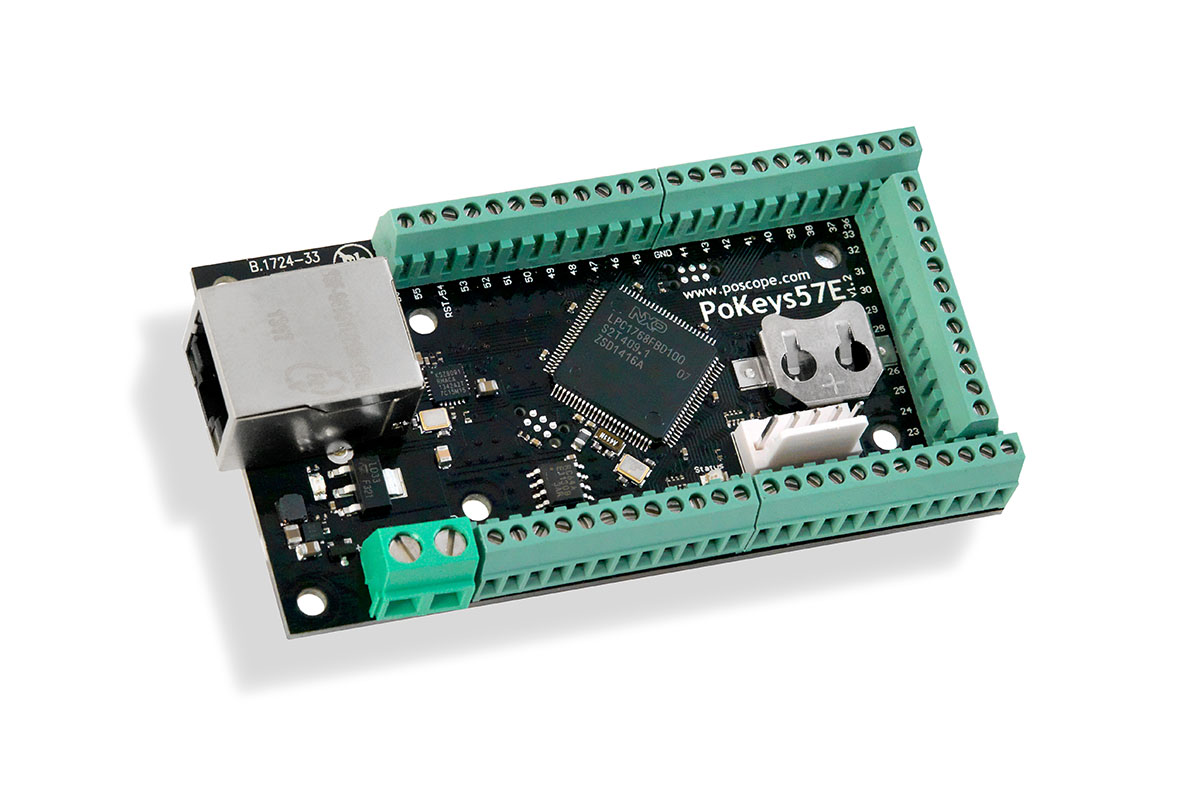
Another notable application of the PoKeys57E is in conjunction with Raspberry Pi temperature loggers. In environmental monitoring systems, the PoKeys57E can act as the central hub, collecting data from temperature sensors connected to a Raspberry Pi and processing it for further analysis. This combination allows for the creation of robust, scalable monitoring solutions that can be deployed in a variety of settings, from greenhouses to industrial facilities. The PoKeys57E’s ability to handle multiple inputs and outputs ensures that even complex systems can be managed efficiently.
In summary, the PoKeys57E is a powerful and versatile device that has earned its place as a central component in modern automation and control systems. Its ability to interface with a wide range of hardware and software, combined with its ease of use and flexibility, makes it an ideal choice for both beginners and experts. Whether you’re building a custom control panel, integrating an RC simulator interface, or setting up a Raspberry Pi temperature logger, the PoKeys57E provides the functionality and reliability needed to bring your project to life. As we move forward, we’ll explore how this remarkable device interacts with other technologies, starting with RC simulator interfaces in the next chapter.
RC Simulator Interface – Bridging the Gap Between Real and Virtual Worlds
Remote control (RC) enthusiasts and professionals alike have long sought ways to enhance their skills and test their designs without the risks and costs associated with real-world trials. This is where the RC simulator interface comes into play, serving as a critical tool that bridges the gap between physical RC models and their virtual counterparts. By integrating an RC simulator interface with devices like the PoKeys57E, users can create highly realistic and immersive simulation environments. This chapter delves into the functionality, applications, and benefits of RC simulator interfaces, highlighting their synergy with the PoKeys57E.
An RC simulator interface is essentially a hardware or software solution that allows users to connect their RC transmitters (the handheld controllers used to operate RC vehicles) to a computer running simulation software. This setup enables users to control virtual RC aircraft, cars, boats, and other vehicles with the same transmitter they would use in real life. The result is a highly accurate and responsive simulation that mimics the behavior of real-world RC models. This is particularly valuable for training purposes, as it allows users to practice maneuvers, test new designs, and refine their skills in a risk-free environment.
One of the key advantages of using an RC simulator interface is its ability to replicate the physical feedback and control dynamics of real RC vehicles. For example, when flying a virtual RC plane, the simulator can mimic the effects of wind, turbulence, and other environmental factors, providing a realistic experience that helps users develop their piloting skills. Similarly, RC car simulators can simulate different terrains, track conditions, and vehicle behaviors, allowing users to experiment with setups and strategies before hitting the actual track.
The integration of an RC simulator interface with the PoKeys57E takes this experience to the next level. The PoKeys57E can be used to connect additional input devices, such as switches, buttons, and sensors, to the simulation setup. For instance, in a flight simulator, the PoKeys57E can be configured to read inputs from a custom control panel, allowing users to manage systems like landing gear, flaps, and lights with physical switches. This not only enhances the realism of the simulation but also provides a more immersive and engaging experience.
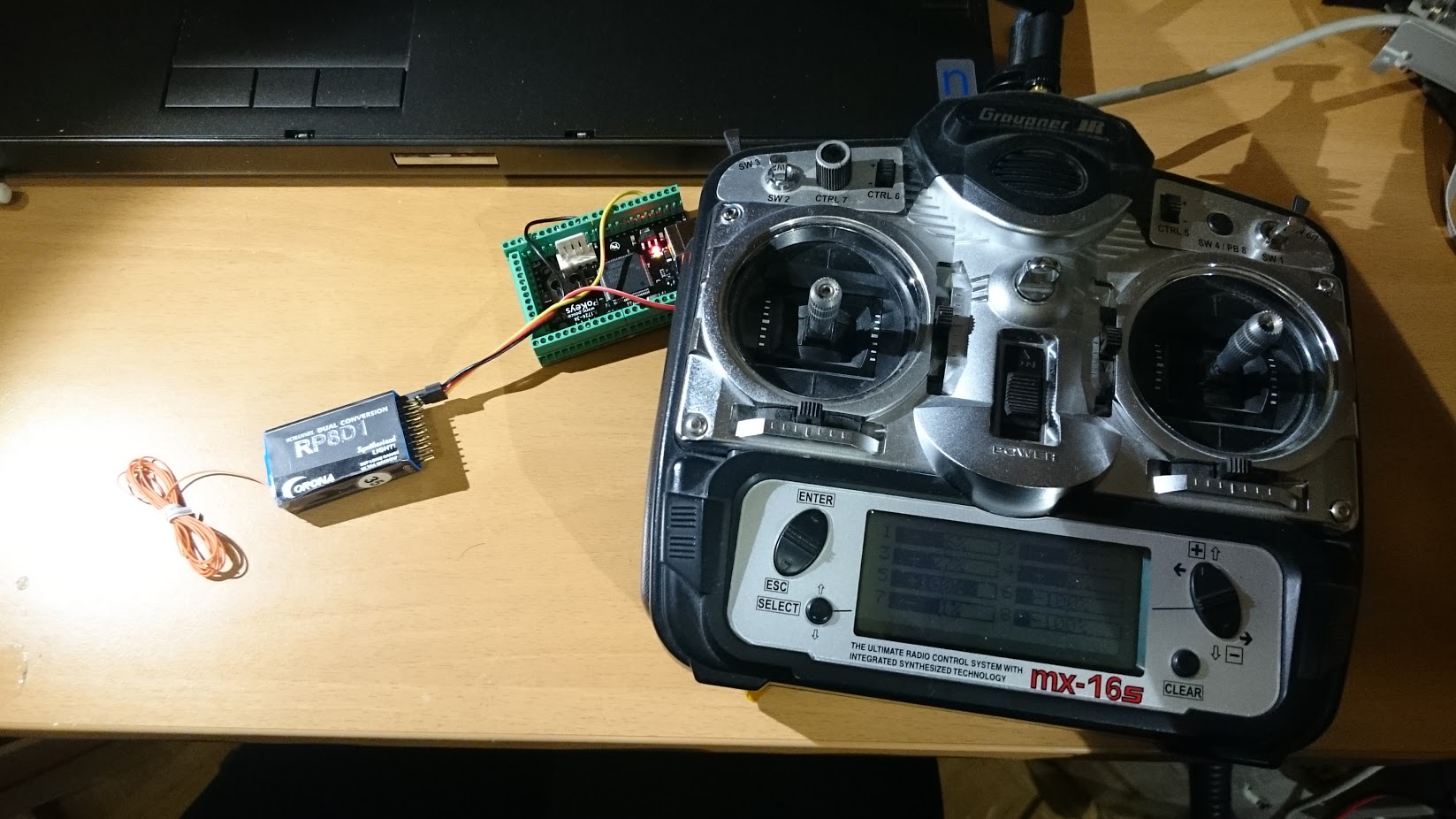
Another application of the RC simulator interface is in the development and testing of new RC models. Engineers and hobbyists can use the simulator to evaluate the performance of a virtual prototype before building the physical model. By connecting the PoKeys57E to the simulator, they can also test custom control systems and configurations, ensuring that the final design meets their requirements. This approach saves time and resources, as it allows for rapid iteration and refinement without the need for costly materials or test flights.
The combination of an RC simulator interface and the PoKeys57E also opens up possibilities for educational and training programs. For example, flight schools can use this setup to teach students the basics of RC piloting, while engineering students can use it to learn about control systems and aerodynamics. The ability to simulate a wide range of scenarios and conditions makes it a valuable tool for both beginners and experienced users.
In conclusion, the RC simulator interface is a powerful tool that brings the excitement and challenges of RC vehicles into the virtual world. When paired with the PoKeys57E, it becomes even more versatile, enabling users to create highly customized and realistic simulation environments. Whether you’re a hobbyist looking to improve your skills, an engineer testing a new design, or an educator teaching the next generation of RC enthusiasts, the RC simulator interface offers endless possibilities. In the next chapter, we’ll explore another key technology that complements the PoKeys57E: the Raspberry Pi temperature logger.
Raspberry Pi Temperature Logger – Compact and Powerful Environmental Monitoring
In the realm of environmental monitoring and data logging, the Raspberry Pi has emerged as a game-changer. This credit-card-sized computer, known for its affordability and versatility, can be transformed into a highly capable temperature logger with the right components and software. When combined with the PoKeys57E, the Raspberry Pi temperature logger becomes part of a robust system capable of handling complex monitoring tasks. This chapter explores the features, applications, and benefits of using a Raspberry Pi temperature logger, as well as its integration with the PoKeys57E.
A Raspberry Pi temperature logger is essentially a system that uses the Raspberry Pi to collect, store, and analyze temperature data from one or more sensors. The setup typically involves connecting temperature sensors to the Raspberry Pi’s GPIO (General Purpose Input/Output) pins and using software to read and process the data. The result is a compact, cost-effective solution that can be deployed in a wide range of environments, from home greenhouses to industrial facilities.
One of the key advantages of using a Raspberry Pi temperature logger is its flexibility. The Raspberry Pi supports a variety of temperature sensors, including digital sensors like the DS18B20 and analog sensors that require an ADC (Analog-to-Digital Converter). This allows users to choose the best sensor for their specific needs, whether they require high precision, long-range communication, or compatibility with existing systems. Additionally, the Raspberry Pi’s ability to run custom software makes it possible to tailor the temperature logger to unique requirements, such as setting up alerts, generating reports, or integrating with other systems.
The integration of a Raspberry Pi temperature logger with the PoKeys57E further enhances its capabilities. The PoKeys57E can be used to expand the number of inputs and outputs available to the Raspberry Pi, allowing for the connection of additional sensors, actuators, or control devices. For example, in a greenhouse monitoring system, the PoKeys57E can be configured to read data from multiple temperature sensors connected to the Raspberry Pi and control devices like fans, heaters, or irrigation systems based on the collected data. This creates a fully automated environment that maintains optimal conditions for plant growth.
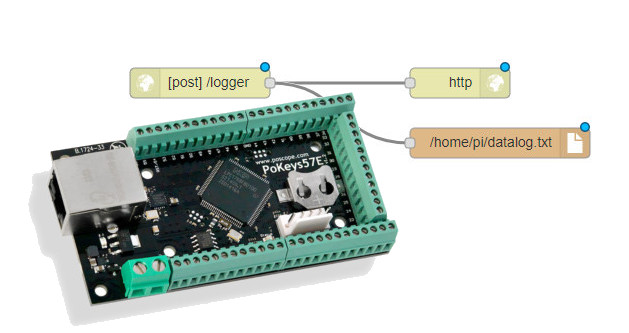
Another application of the Raspberry Pi temperature logger is in industrial settings, where it can be used to monitor equipment and processes. By connecting temperature sensors to critical components, such as motors, transformers, or pipelines, the system can detect anomalies and trigger alarms or shutdowns to prevent damage. The PoKeys57E can be used to interface with additional sensors, such as pressure or humidity sensors, creating a comprehensive monitoring solution. The data collected by the Raspberry Pi can also be analyzed to identify trends, optimize processes, and improve efficiency.
The Raspberry Pi temperature logger is also well-suited for research and educational purposes. Scientists and students can use it to conduct experiments, collect data, and analyze results in fields like climate science, agriculture, and engineering. The ability to log data over extended periods and export it for further analysis makes it a valuable tool for long-term studies. Additionally, the Raspberry Pi’s low cost and ease of use make it accessible to a wide range of users, from amateur enthusiasts to professional researchers.
In summary, the Raspberry Pi temperature logger is a powerful and versatile solution for environmental monitoring and data logging. Its compact size, affordability, and flexibility make it an ideal choice for a variety of applications, from home automation to industrial control. When integrated with the PoKeys57E, it becomes part of a sophisticated system capable of handling complex tasks and providing valuable insights. In the next chapter, we’ll explore another critical component of modern automation and data acquisition: DAQ devices.
DAQ Devices – The Backbone of Data Acquisition and Analysis
Data Acquisition (DAQ) devices are the unsung heroes of modern automation, research, and industrial systems. These specialized tools are designed to capture, process, and analyze data from a wide range of sensors and instruments, providing valuable insights into physical phenomena and system performance. When combined with versatile devices like the PoKeys57E, DAQ systems become even more powerful, enabling users to create comprehensive monitoring and control solutions. This chapter explores the role of DAQ devices, their applications, and how they complement technologies like the PoKeys57E, RC simulator interfaces, and Raspberry Pi temperature loggers.
At their core, DAQ devices are hardware systems that convert analog signals from sensors (such as temperature, pressure, voltage, or current) into digital data that can be processed by a computer. They typically consist of signal conditioning circuits, analog-to-digital converters (ADCs), and communication interfaces like USB, Ethernet, or Wi-Fi. DAQ devices come in various forms, from compact USB modules to modular systems with hundreds of channels, making them suitable for both simple and complex applications.
One of the primary advantages of DAQ devices is their ability to handle high-speed and high-precision data acquisition. For example, in industrial settings, DAQ systems can monitor machinery vibrations, temperatures, and pressures in real time, allowing operators to detect issues before they lead to costly failures. In research laboratories, DAQ devices are used to capture data from experiments, such as fluid dynamics studies or material testing, with exceptional accuracy and resolution. This makes them indispensable tools for engineers, scientists, and technicians.
The integration of DAQ devices with the PoKeys57E opens up new possibilities for automation and control. The PoKeys57E can be used to interface with additional sensors, actuators, or control panels, expanding the capabilities of the DAQ system. For instance, in a manufacturing plant, the PoKeys57E can be configured to read inputs from safety sensors and control emergency shutdown systems, while the DAQ device monitors process variables like temperature and pressure. This combination ensures both safety and efficiency in industrial operations.
Another area where DAQ devices excel is in their compatibility with RC simulator interfaces and Raspberry Pi temperature loggers. In an RC simulation setup, a DAQ device can be used to capture data from the simulator, such as flight parameters or vehicle performance metrics, for analysis and optimization. Similarly, in a temperature monitoring system, the DAQ device can collect data from multiple sensors connected to a Raspberry Pi, providing a centralized platform for data logging and analysis. This synergy between DAQ devices and other technologies creates a cohesive ecosystem that can be tailored to specific needs.
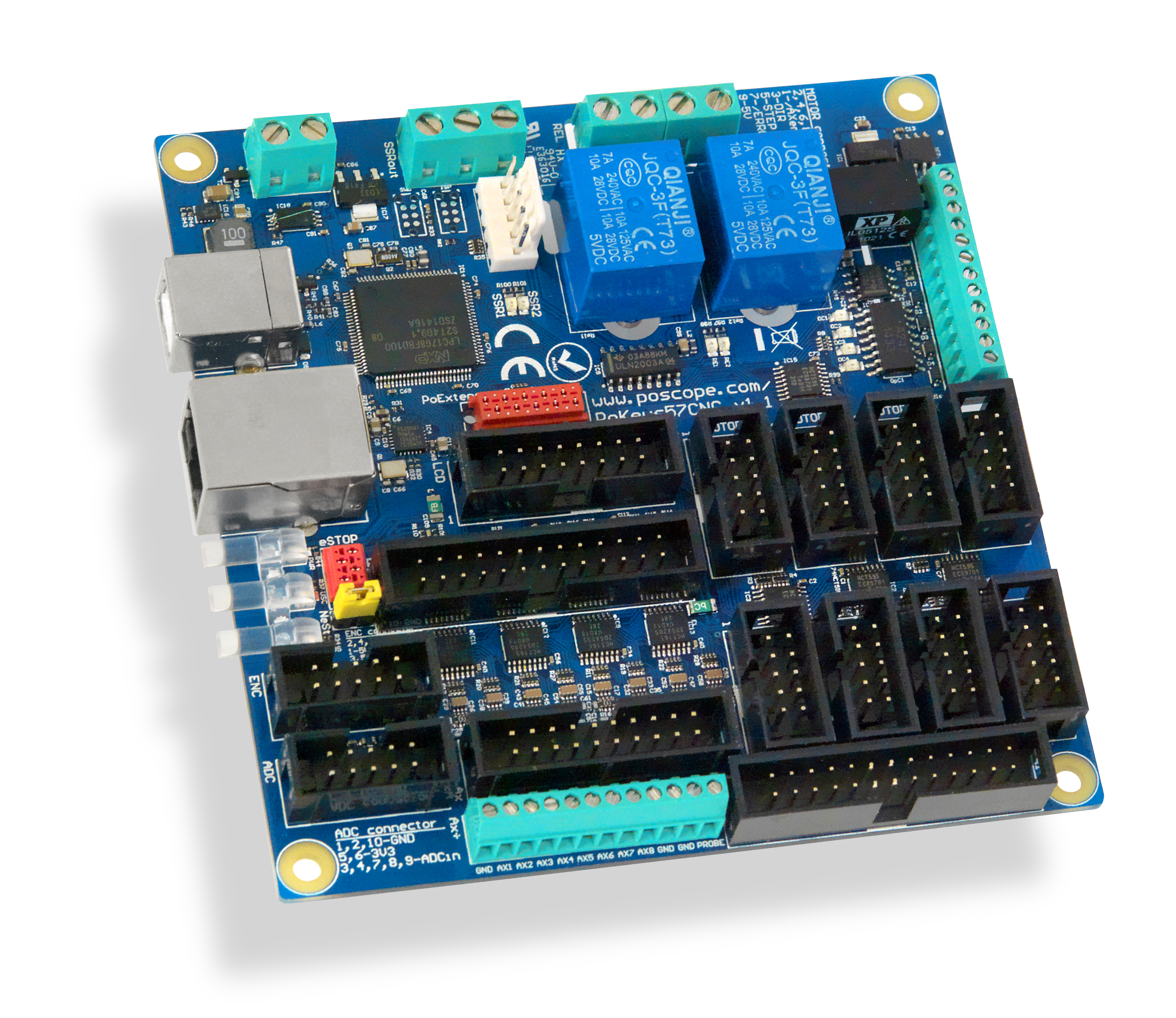
DAQ devices also play a critical role in the development and testing of new products and systems. For example, in the automotive industry, DAQ systems are used to test vehicle components, such as engines, brakes, and suspension systems, under various conditions. The data collected during these tests is used to refine designs, improve performance, and ensure compliance with safety standards. The PoKeys57E can be integrated into these systems to provide additional control and monitoring capabilities, such as triggering test sequences or logging user inputs.
In conclusion, DAQ devices are the backbone of modern data acquisition and analysis, providing the tools needed to capture and process data with precision and reliability. Their ability to integrate with technologies like the PoKeys57E, RC simulator interfaces, and Raspberry Pi temperature loggers makes them a cornerstone of automation, research, and industrial systems. Whether you’re monitoring industrial processes, conducting scientific experiments, or developing new products, DAQ devices offer the functionality and flexibility needed to achieve your goals. In the final chapter, we’ll bring all these technologies together and explore how they can be combined to create innovative solutions.
Optimizing CNC Plasma Cutting: Understanding Torch Height Control and Key Components
Integrating PoKeys57E, RC Simulator Interfaces, Raspberry Pi Temperature Loggers, and DAQ Devices for Innovative Solutions
As we’ve explored throughout this article, the PoKeys57E, RC simulator interfaces, Raspberry Pi temperature loggers, and DAQ devices each play a unique and vital role in the world of automation, monitoring, and control. Individually, these technologies offer powerful capabilities, but when integrated, they form a cohesive ecosystem that can tackle complex challenges and unlock new possibilities. This conclusion brings together the insights from each chapter, highlighting how these technologies complement one another and can be combined to create innovative solutions.
At the heart of this ecosystem is the PoKeys57E, a versatile and multifunctional device that serves as a bridge between physical inputs and digital outputs. Its ability to interface with a wide range of sensors, actuators, and control systems makes it an indispensable tool for hobbyists, engineers, and developers. Whether used in home automation, industrial control, or custom projects, the PoKeys57E provides the flexibility and reliability needed to bring ideas to life. Its integration with RC simulator interfaces, Raspberry Pi temperature loggers, and DAQ devices further enhances its utility, enabling users to create sophisticated and tailored solutions.
The RC simulator interface, for instance, demonstrates how the PoKeys57E can enhance virtual environments by providing realistic control and feedback. By connecting the PoKeys57E to an RC simulator, users can create immersive training and testing platforms that replicate real-world conditions. This not only improves skills and reduces risks but also offers a cost-effective way to develop and refine RC models. The addition of DAQ devices to this setup allows for detailed data collection and analysis, enabling users to optimize performance and make informed decisions.
Similarly, the Raspberry Pi temperature logger showcases the PoKeys57E’s ability to expand the capabilities of compact and affordable systems. By integrating the PoKeys57E with a Raspberry Pi, users can create robust environmental monitoring solutions that collect and process data from multiple sensors. This combination is ideal for applications ranging from home automation to industrial monitoring, providing valuable insights and enabling automated control. The inclusion of DAQ devices in such systems ensures high-precision data acquisition, making it possible to detect subtle changes and respond proactively.
Finally, DAQ devices serve as the backbone of data acquisition and analysis, providing the tools needed to capture and process data with precision and reliability. Their integration with the PoKeys57E, RC simulator interfaces, and Raspberry Pi temperature loggers creates a powerful ecosystem that can handle complex tasks and deliver actionable insights. Whether used in research, manufacturing, or education, these technologies offer the functionality and flexibility needed to achieve a wide range of goals.
In summary, the PoKeys57E, RC simulator interfaces, Raspberry Pi temperature loggers, and DAQ devices represent the cutting edge of modern technology. By combining their strengths, users can create innovative solutions that push the boundaries of what’s possible. Whether you’re a hobbyist exploring new projects, an engineer optimizing industrial processes, or a researcher conducting groundbreaking experiments, these technologies provide the tools and capabilities needed to succeed. As technology continues to evolve, the integration of these devices will undoubtedly play a key role in shaping the future of automation, monitoring, and control.